26.11.2024

©Emmy_Ljs - stock.adobe.com
Artificial Intelligence as a Radio Host
MCML PI Sven Nyholm's Comment
At OFF Radio in Poland, an experiment tested artificial intelligence as a radio host, using digital avatars of famous figures for interviews, including a virtual interview with Wisława Szymborska. The project was terminated after a week due to strong emotional reactions and collected feedback.
Our PI, Sven Nyholm, professor of ethics, emphasized on ZDF heute the importance of context and purpose when creating digital copies, along with transparency in their use. He also highlighted the need for consent, as seen with the Szymborska Foundation's approval for the interview.
Related
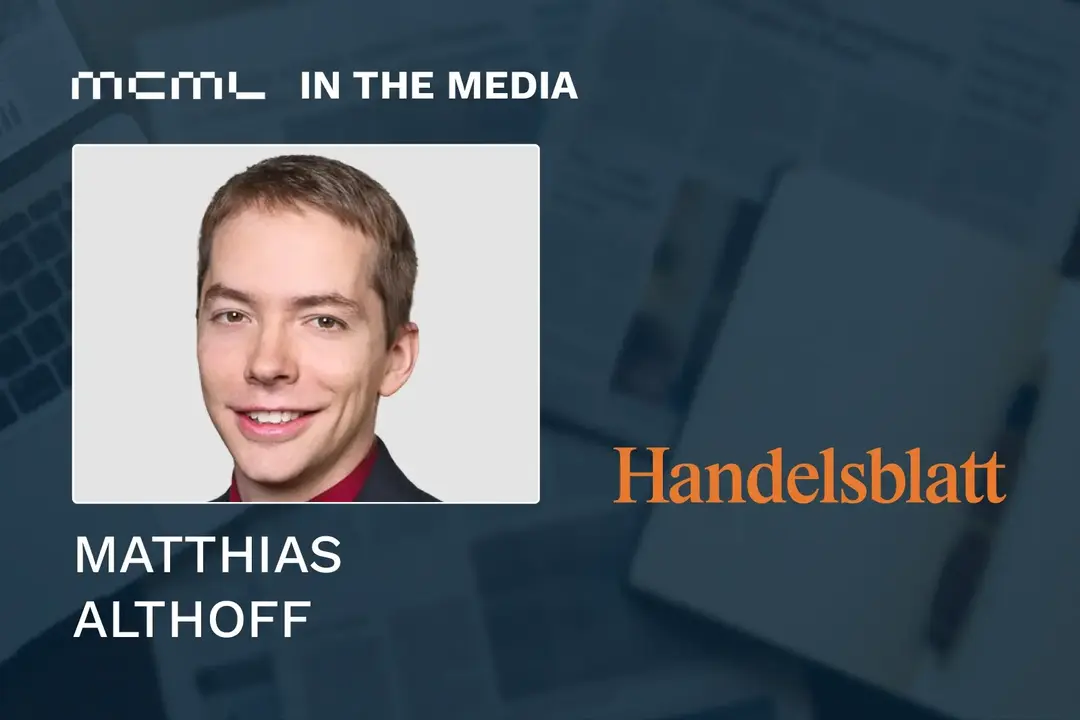
12.06.2026
Matthias Althoff Featured in Handelsblatt
MCML PI Matthias Althoff co-founded Sitegeist, a startup developing autonomous robots for infrastructure repair and concrete removal.

28.05.2026
Germany’s AI Strategy: Powering Up the National Network
Germany's upcoming AI roadmap relies on six regional competence centers to build a coherent policy framework and strengthen its global position.

28.05.2026
Angela Schöllig Featured in Süddeutsche Zeitung
Angela Schöllig was featured in Süddeutsche Zeitung, discussing why AI lacks physical intuition and how her work helps robots navigate daily life.