27.01.2026
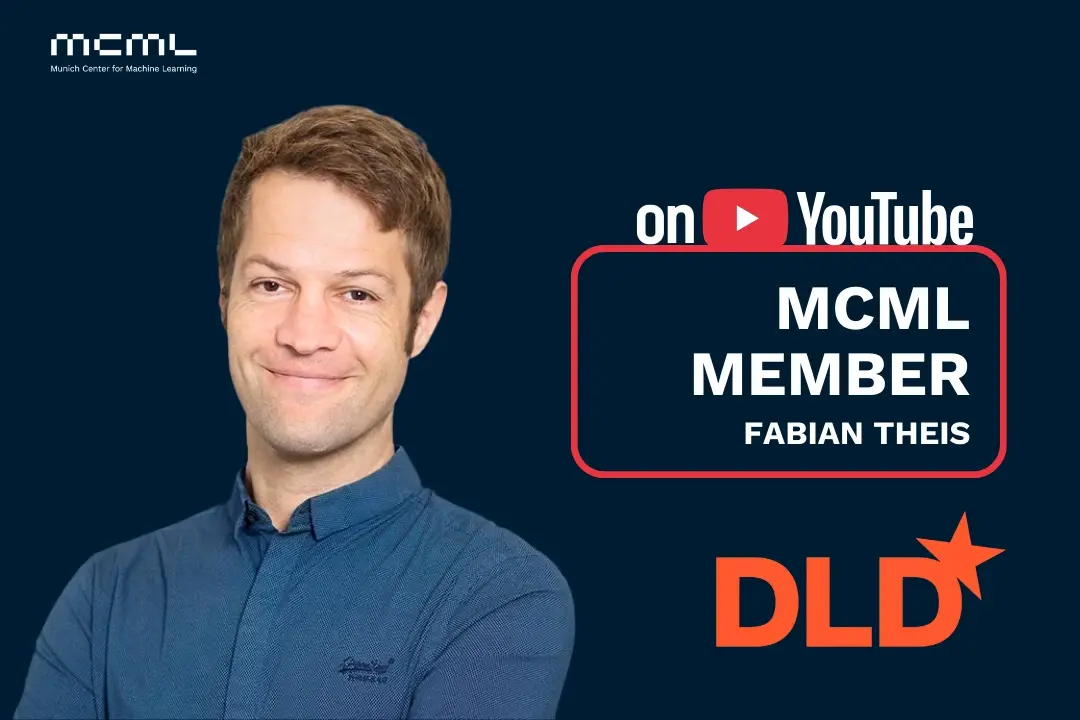
Fabian Theis Speaks at DLD Munich 2026
From Models to Medicines: AI-Guided Experimental Biology
We are pleased to share that our PI Fabian Theis contributed to DLD Conference 2026 as part of the BIOSPHERE Health Track.
Fabian gave a talk titled “From Models to Medicines: AI-guided Experimental Biology”, focusing on how AI supports biological research and drug discovery. In addition, he joined the panel discussion “From the Cell to Clinical Application”, addressing the translation of AI-driven insights from basic research into clinical practice.
Both sessions are now available as part of the DLD Conference video series.
Related
24.03.2026
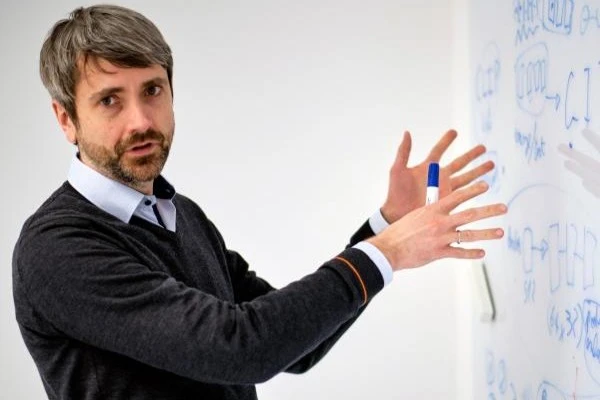
Cybersecurity: “Even Smart Light Bulbs Harbor Risks”
Interview with computer science expert Johannes Kinder on digital security in everyday life.
24.03.2026
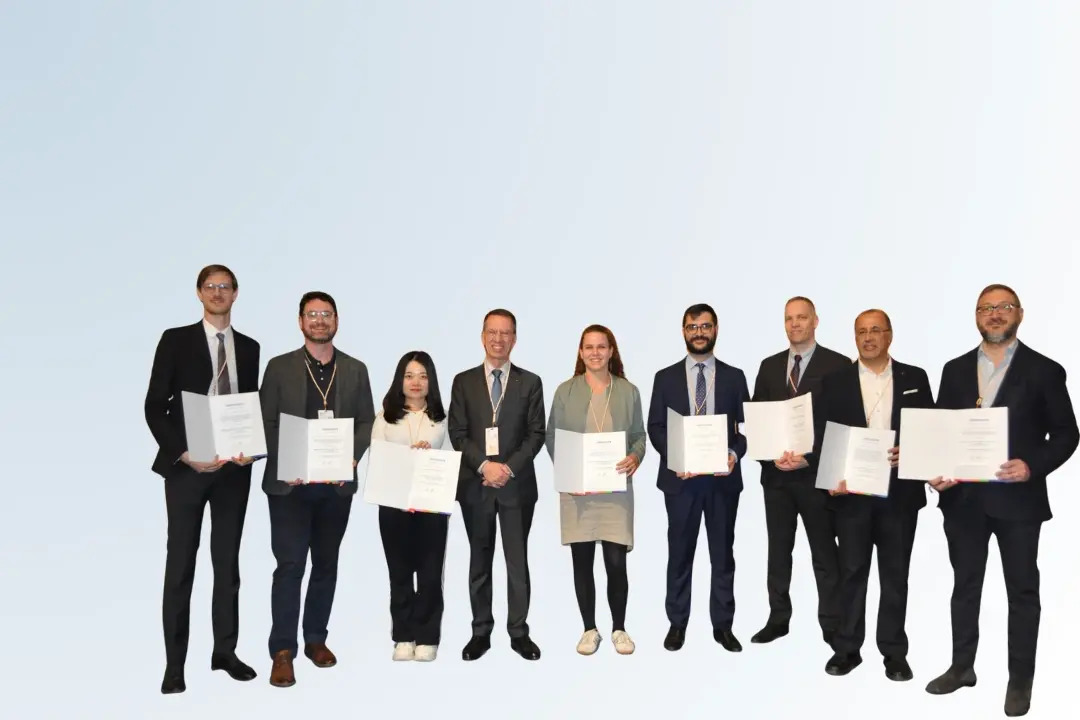
MCML Members Win Most Cited Article Award at ECR 2026
MCML researchers win top citation award for ChatGPT radiology study, highlighting benefits and risks in patient communication.
20.03.2026
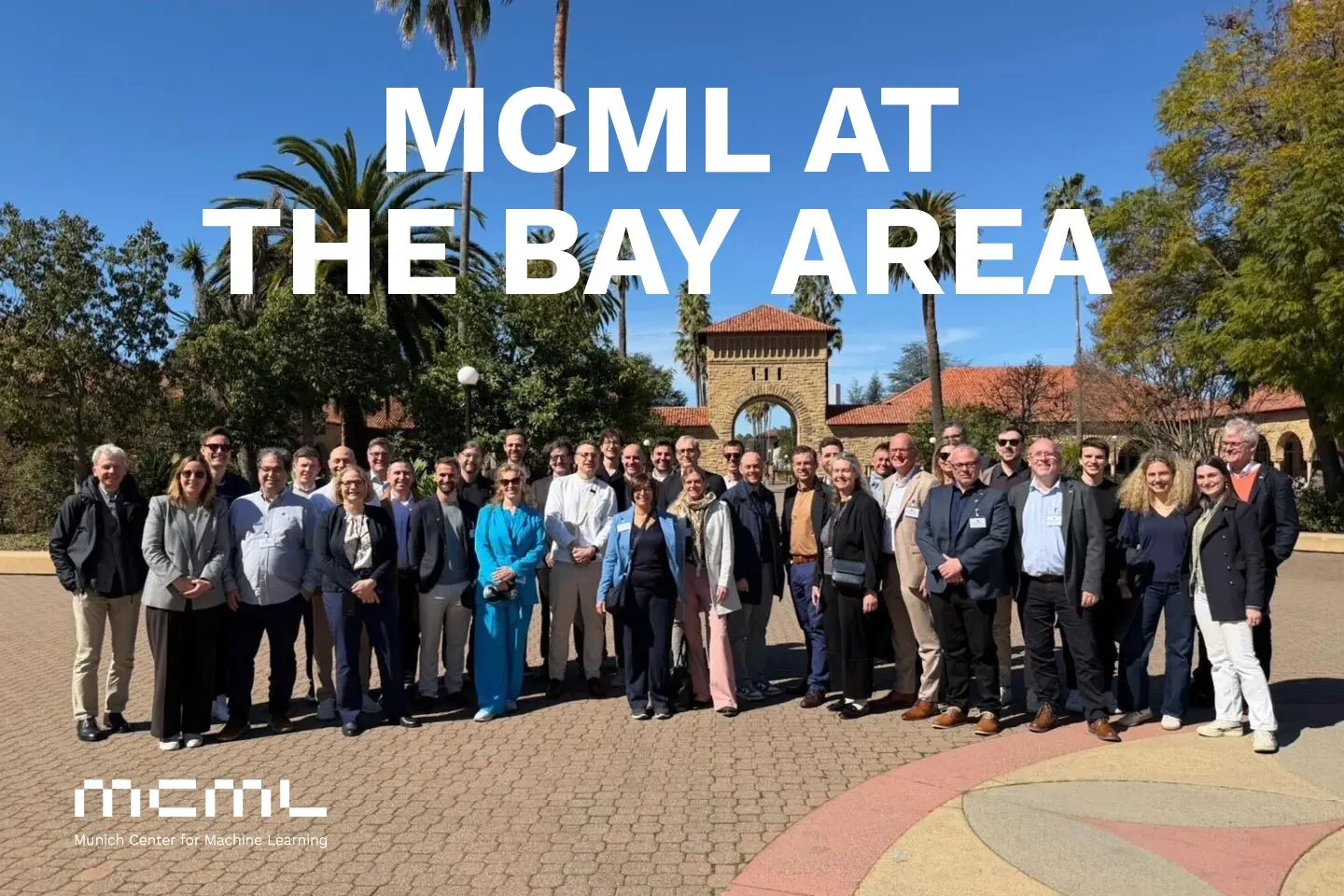
MCML at the Bay Area
MCML joined a Bavarian delegation to the Bay Area, engaging with leading AI organizations to foster collaboration and strengthen global research ties.