04.06.2025
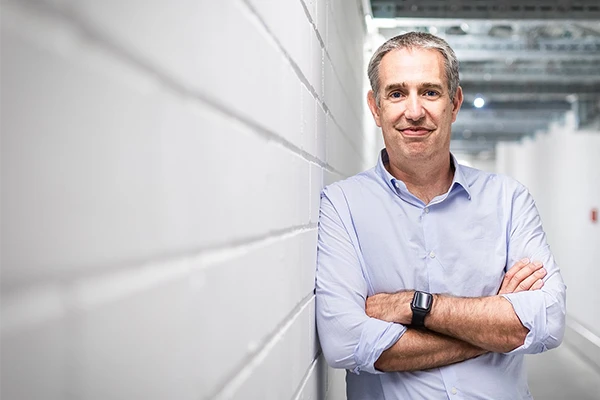
©TUM
Daniel Rückert Elected Fellow of the Royal Society
Over 90 Scientists Elected as Royal Society Fellows in 2025
MCML Director Daniel Rückert has been elected to the Fellowship of the Royal Society, UK’s national academy of sciences, in recognition of his contributions to artificial intelligence in medicine and healthcare.
The Fellowship is awarded to individuals who have significantly advanced knowledge in their field.
The Fellows join the ranks of Stephen Hawking, Isaac Newton, Charles Darwin, Albert Einstein, Lise Meitner, Subrahmanyan Chandrasekhar and Dorothy Hodgkin.
Congrats from us!
Related
24.03.2026
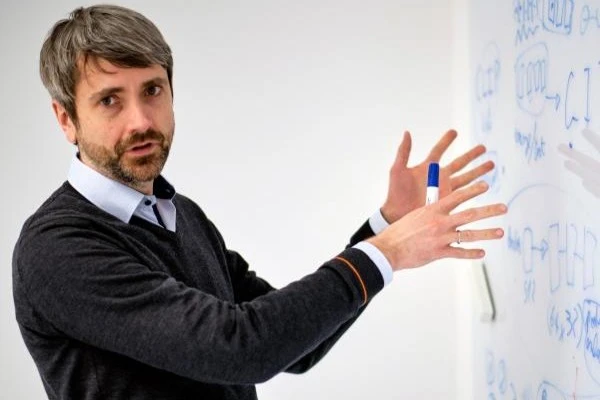
Cybersecurity: “Even Smart Light Bulbs Harbor Risks”
Interview with computer science expert Johannes Kinder on digital security in everyday life.
24.03.2026
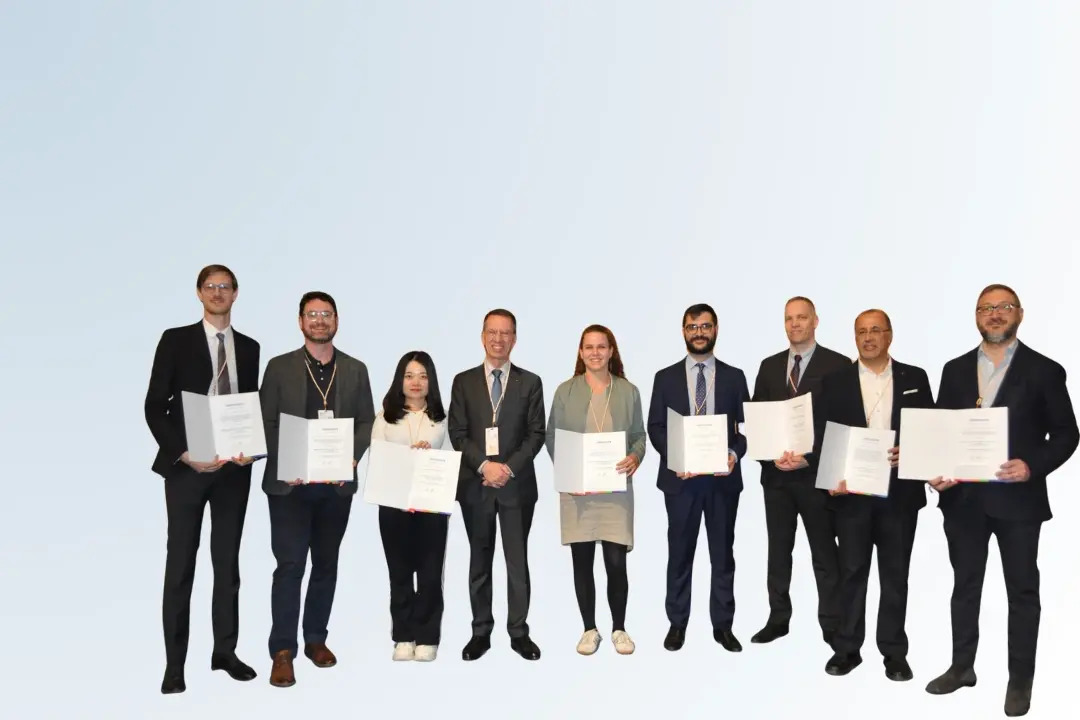
MCML Members Win Most Cited Article Award at ECR 2026
MCML researchers win top citation award for ChatGPT radiology study, highlighting benefits and risks in patient communication.
20.03.2026
MCML Reaches H-Index of 100
MCML reaches an h-index of 100, marking a milestone achieved through years of collaboration with LMU Munich, TUM, and research partners worldwide.