22.04.2024
©LMU
Causal AI in the Field of Diagnosis and Therapy
LMU News
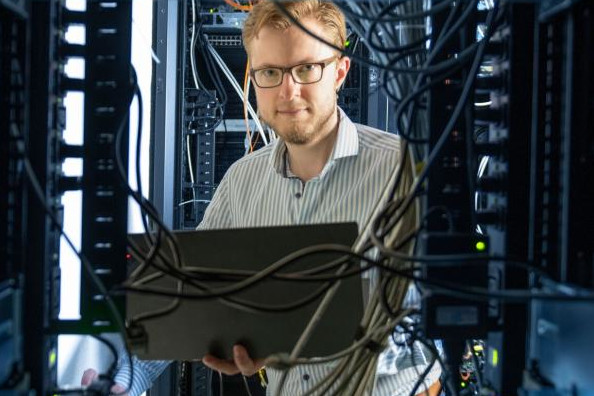
This LMU Newsroom article focuses on the research of our PI Stefan Feuerriegel in the field of AI in diagnosis and therapy. His team is working on a so-called Causal AI, which might be able to predict individual risk changes when taking medication.
«We give the machine rules for recognizing the causal structure and correctly formalizing the problem.»
Stefan Feuerriegel
MCML PI
The corresponding scientific paper has been published in the world’s leading multidisciplinary science journal Nature.

S. Feuerriegel • D. Frauen • V. Melnychuk • J. Schweisthal • K. Heß • A. Curth • S. Bauer • N. Kilbertus • I. S. Kohane • M. van der Schaar
Causal machine learning for predicting treatment outcomes.
Nature Medicine 30. Apr. 2024. DOI
Causal machine learning for predicting treatment outcomes.
Nature Medicine 30. Apr. 2024. DOI
Related


09.04.2026
Nikita Araslanov Receives Prestigious Emmy Noether Grant
Nikita Araslanov, MCML Junior Member, awarded Emmy Noether Grant to establish an independent AI research group at TUM.