14.01.2024

©Oliver Jung - LMU
Polyglot Machines - How Artificial Intelligence Learns the Rich Variety of Human Languages
Insights From Hinrich Schütze in LMU Research Magazine Einsichten
In this article our PI Hinrich Schütze shares insights into the challenges of automatic translation using AI technology.
The focus lies on the difficulty of training AI models to handle various languages, especially those with limited training data. Professor Schütze also emphasizes current issues such as bias and hallucinations in AI, working on integrating a "Working Memory" to enhance factual accuracy in responses and enable more effective use of AI in language processing.
«In our field, we’re living in fascinating times. Suddenly, intelligences have developed that nobody can really explain.»
(H. Schütze)
Related


01.07.2026
MCML at ACL 2026
MCML researchers are represented with 36 papers at ACL 2026 (20 Main, 15 Findings, and 1 Workshop).
30.06.2026
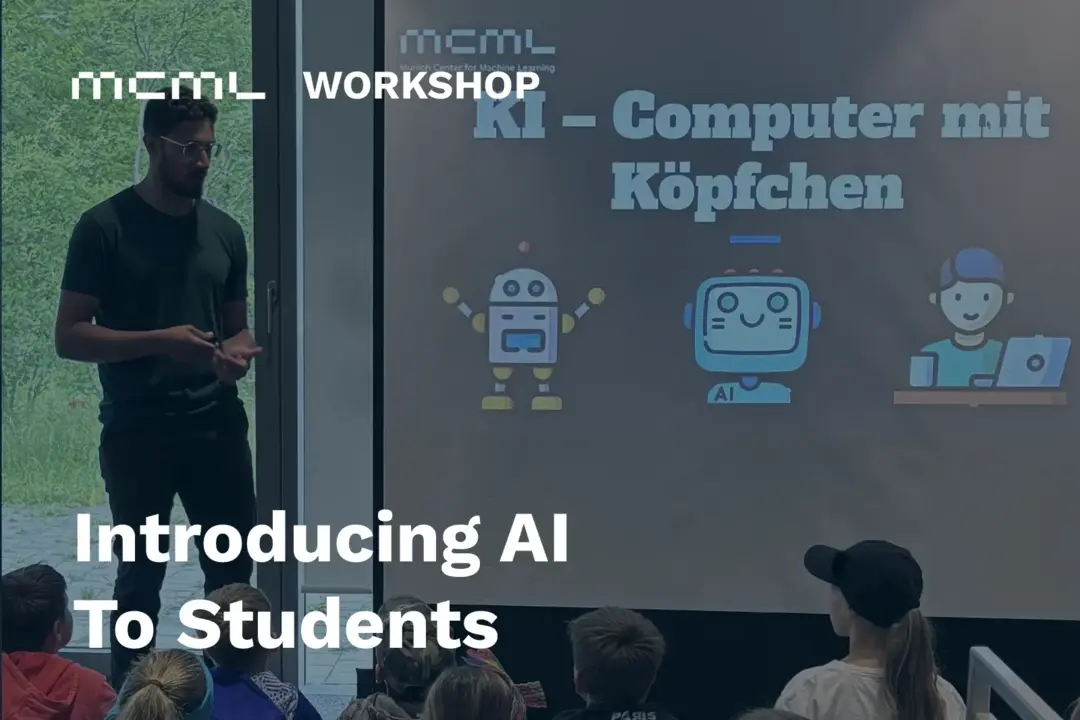
All AI? an Elephant With Three Legs and an Ice Cream Stand With Enough Ice Cream for Everyone
In mid-June, four AI workshops took place at the Eching Municipal Library for all fourth-grade pupils of the primary school on Danziger Straße.
30.06.2026
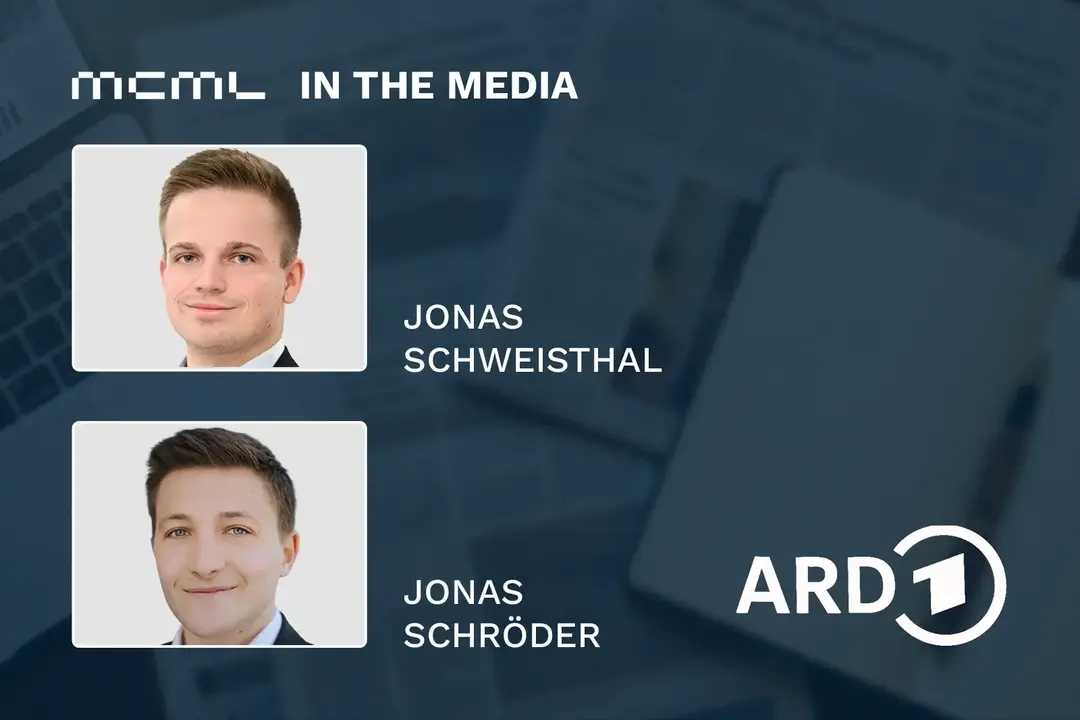
MCML Junior Members Featured in BR Abendschau
LMU researchers are putting different large language models head-to-head to find out which one delivers the most accurate predictions.