13.11.2025
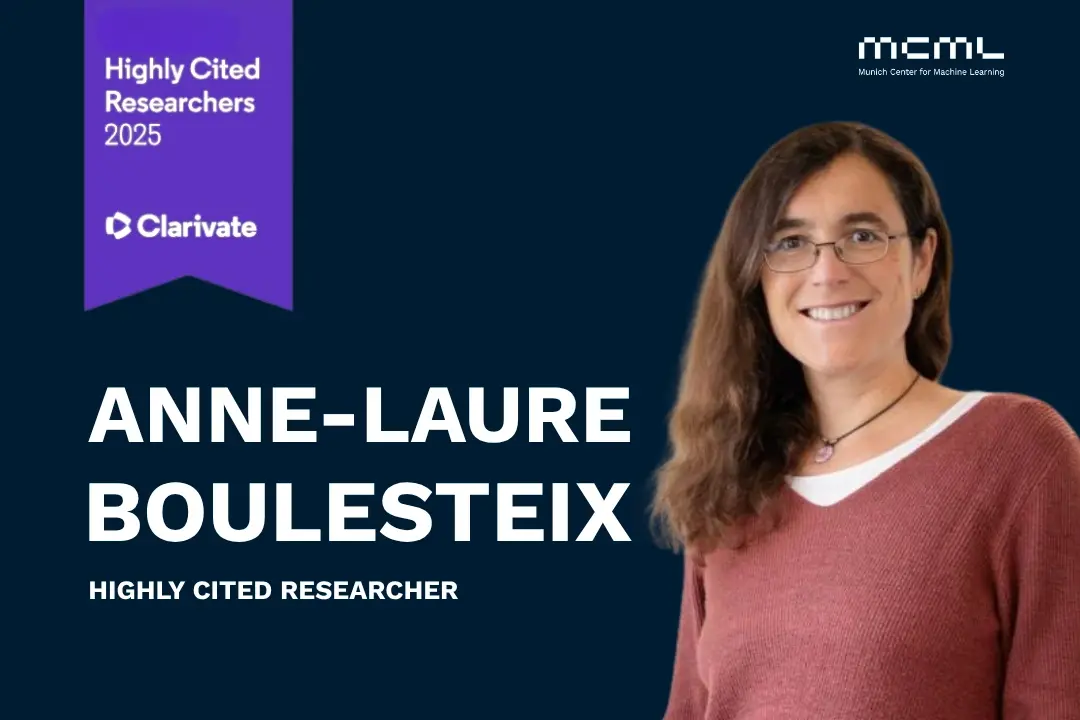
Anne-Laure Boulesteix Among the World’s Most Cited Researchers
LMU Newsroom
MCML PI Anne‑Laure Boulesteix has been named a Highly Cited Researcher 2025 by Clarivate for her influential work in the Cross-Field category.
The recognition highlights publications from 2014–2024 that rank among the top 1% most cited worldwide, reflecting Anne‑Laure Boulesteix’s global impact and the international visibility of her research. She is one of 17 LMU scholars recognized in this year’s Highly Cited Researchers list.
Related

02.04.2026
How AI Avatars Shape Perceived Fairness
Accepted at CHI 2026, this study shows how the race and gender of AI interview avatars shape perceptions of fairness and bias in automated hiring.

24.03.2026
Cybersecurity: “Even Smart Light Bulbs Harbor Risks”
Interview with computer science expert Johannes Kinder on digital security in everyday life.

24.03.2026
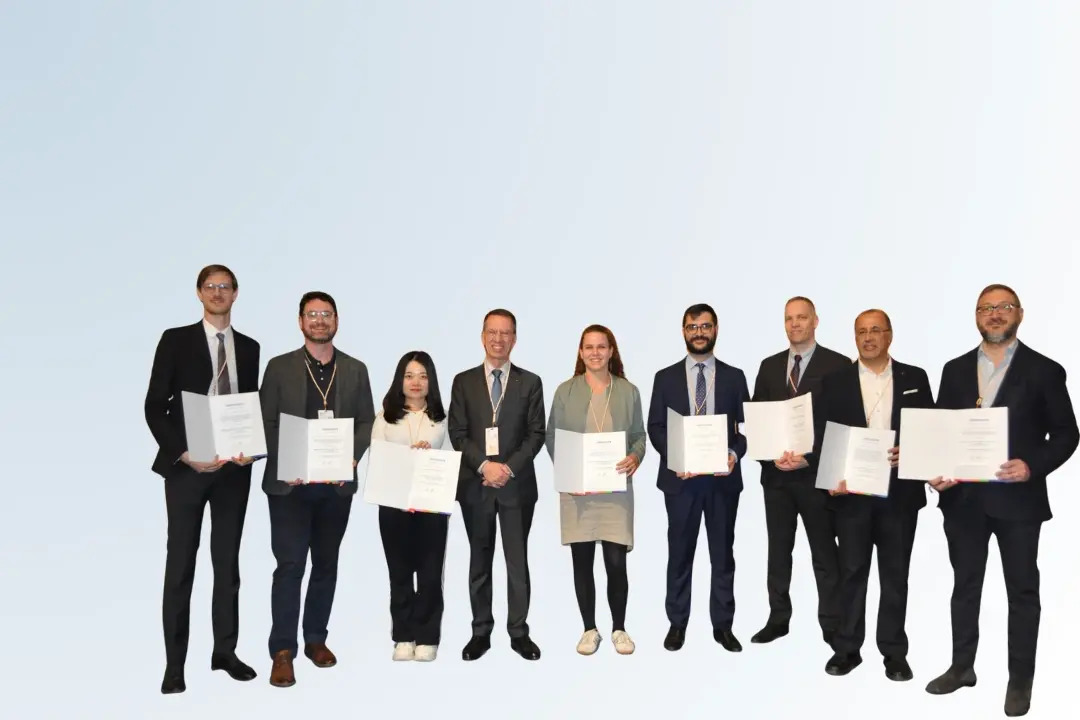
MCML Members Win Most Cited Article Award at ECR 2026
MCML researchers win top citation award for ChatGPT radiology study, highlighting benefits and risks in patient communication.