24.03.2026
MCML Members Win Most Cited Article Award at ECR 2026
Study on Simplifying Radiology Reports Honored by European Radiology
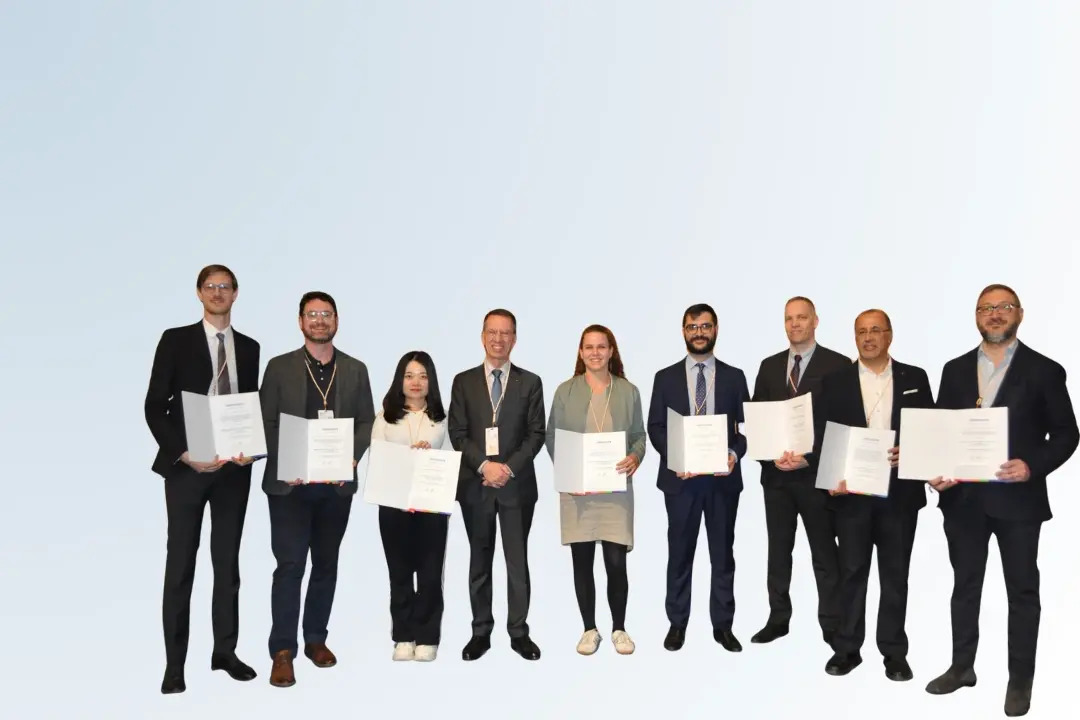
We are proud to share that the article “ChatGPT makes medicine easy to swallow: an exploratory case study on simplified radiology reports” has been awarded the Most Cited Article in European Radiology (Impact Factor 2024) by the European Society of Radiology.
On behalf of the Clinical Data Science Group, MCML Junior Member Katharina Jeblick presented the work at the European Radiology Spotlight Session at the European Congress of Radiology (ECR) 2026 in Vienna, where it was honored by the Editor-in-Chief of European Radiology, Bernd Hamm.
The study, first published as a preprint in December 2022, was among the earliest scientific assessments of how ChatGPT can help simplify radiology reports for patients. Since then, a rapidly growing body of research has explored the role of large language models in medical text simplification.
In an exploratory case study, radiologists rated ChatGPT-generated simplified reports as generally high quality, while also identifying errors that could lead to harmful patient interpretations.
The results highlighted both the promise and the limitations of early large language models in clinical communication: while simplified reports can improve accessibility, medical expert supervision and domain-specific adaptation are essential to ensure patient safety.

ChatGPT makes medicine easy to swallow: an exploratory case study on simplified radiology reports.
European Radiology 34. May. 2024. DOI
Related

08.10.2026
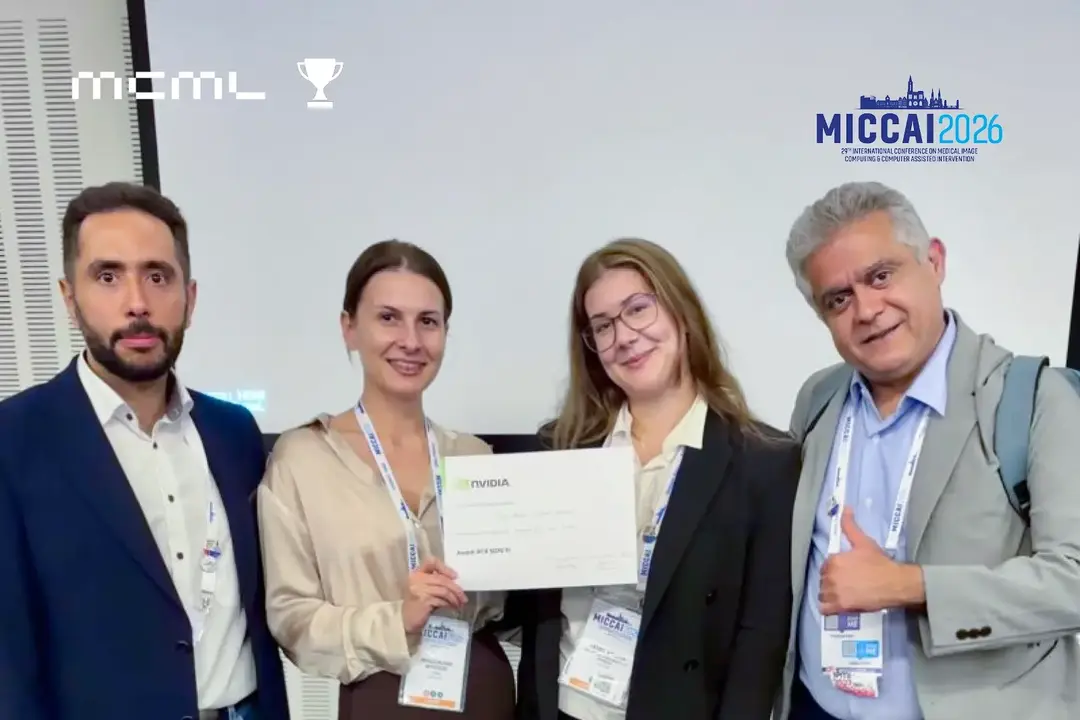
Best Paper Award at ASMUS workshop at MICCAI 2026
Ultra-Wide-NeRF, co-authored by MCML PI Nassir Navab and team, won the Best Paper Award at the ASMUS workshop at MICCAI 2026.
08.10.2026
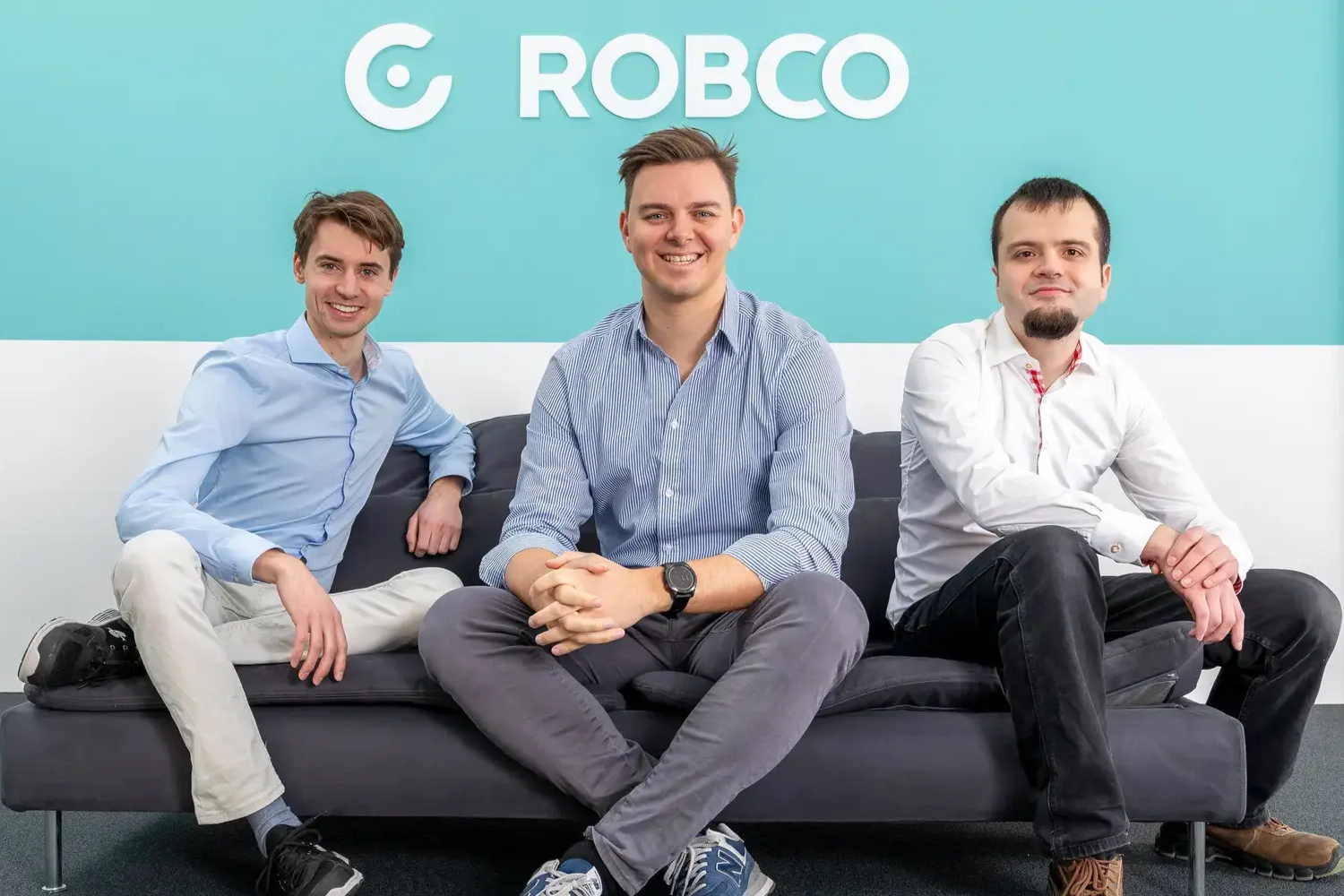
RobCo Is TUM’s 24th Unicorn
RobCo, whose founders were supported by MCML PI Matthias Althoff, has become TUM's 24th unicorn, valued at over one billion euros.