03.11.2025
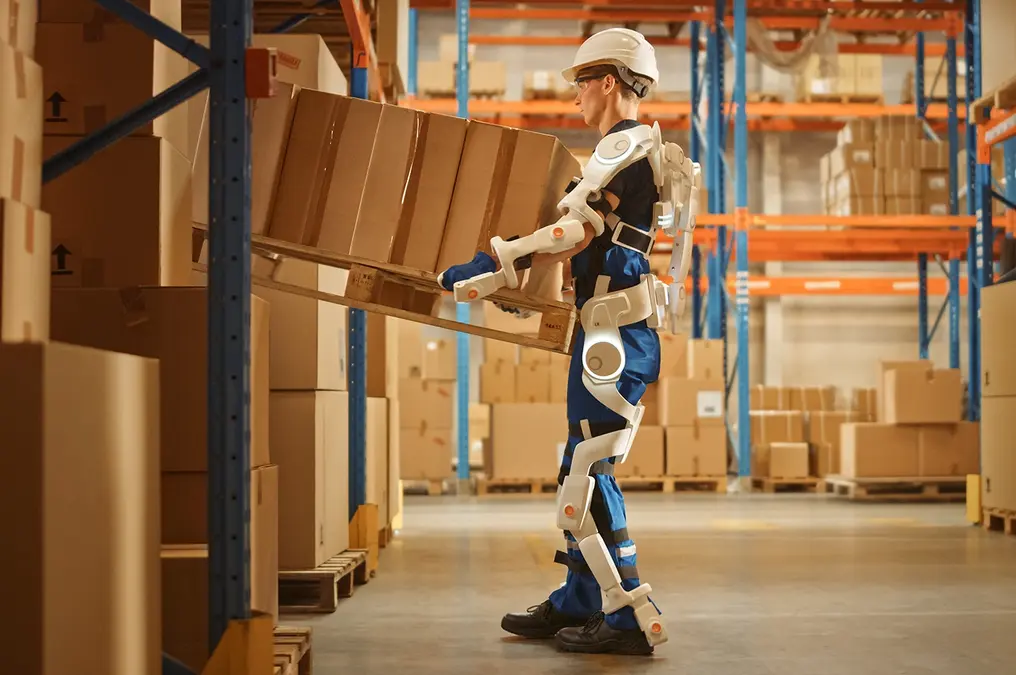
©Gorodenkoff-stock.adobe.com
Research on Human-Centred Exosuit Technology Highlighted in Börsen-Zeitung
MCML Research About Wearable Robotics
LMU and Harvard researchers are developing smarter and safer wearable technologies that adapt to the people using them. Their latest method not only optimizes how an exosuit supports workers during lifting, but also explains why these decisions are made—bringing transparency and human expertise into the process.
Tuning exosuits is a delicate task: engineers must find just the right balance of assistance for each person, often through trial and error. This is where Bayesian optimization (BO) helps—an AI approach that efficiently searches for the best settings. However, BO typically acts as a black box. To address this, MCML researchers Julia Herbinger, Yusuf Sale, and Giuseppe Casalicchio, together with MCML Director Bernd Bischl and PI Eyke Hüllermeier, contributed to ShapleyBO—a new framework that makes BO’s reasoning explainable and interactive.
The work, carried out in collaboration with the Harvard Biodesign Lab, shows how combining human insight and AI can lead to faster, safer, and more personalized exosuit technology.
Discover more in the team’s full paper presented at ECML-PKDD 2025, one of Europe’s top conferences for machine learning and data science innovation.

Explaining Bayesian Optimization by Shapley Values Facilitates Human-AI Collaboration For Exosuit Personalization.
ECML-PKDD 2025 - European Conference on Machine Learning and Principles and Practice of Knowledge Discovery in Databases. Porto, Portugal, Sep 15-19, 2025. DOI GitHub
Related
24.03.2026
Cybersecurity: “Even Smart Light Bulbs Harbor Risks”
Interview with computer science expert Johannes Kinder on digital security in everyday life.

24.03.2026
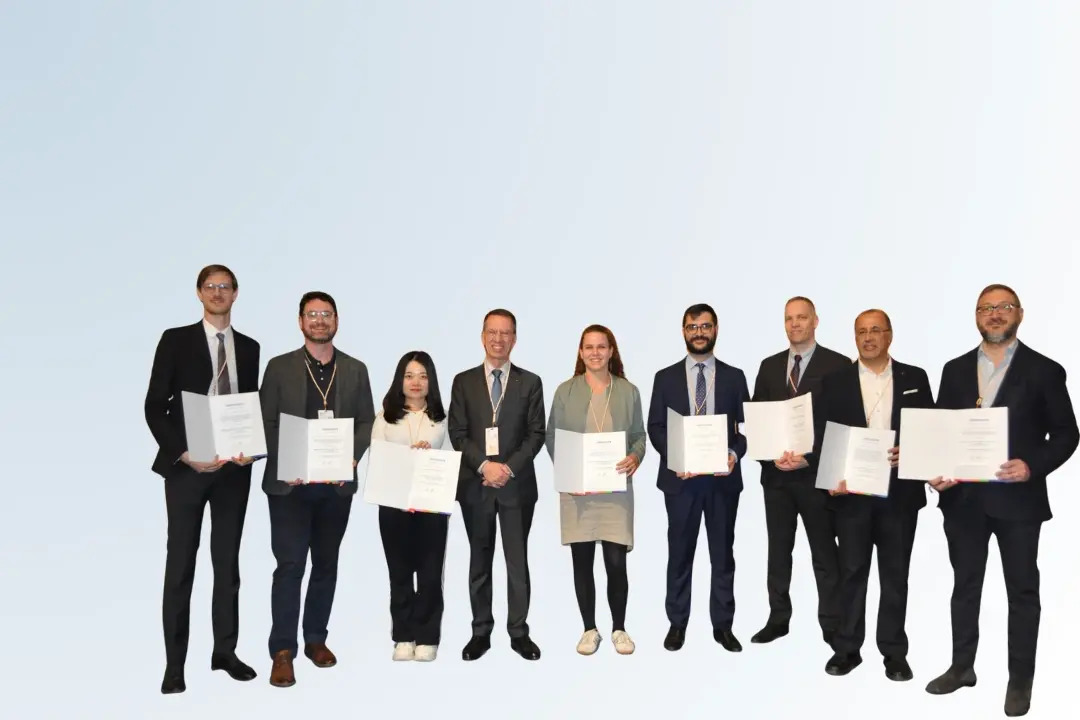
MCML Members Win Most Cited Article Award at ECR 2026
MCML researchers win top citation award for ChatGPT radiology study, highlighting benefits and risks in patient communication.
20.03.2026
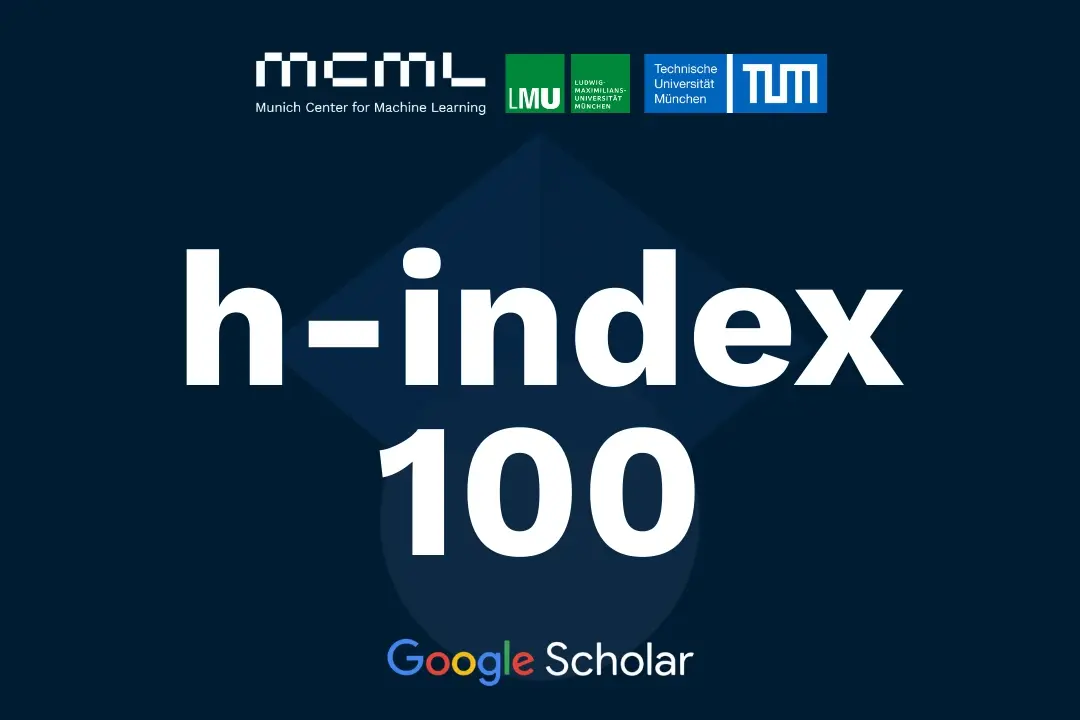
MCML Reaches H-Index of 100
MCML reaches an h-index of 100, marking a milestone achieved through years of collaboration with LMU Munich, TUM, and research partners worldwide.