08.09.2025
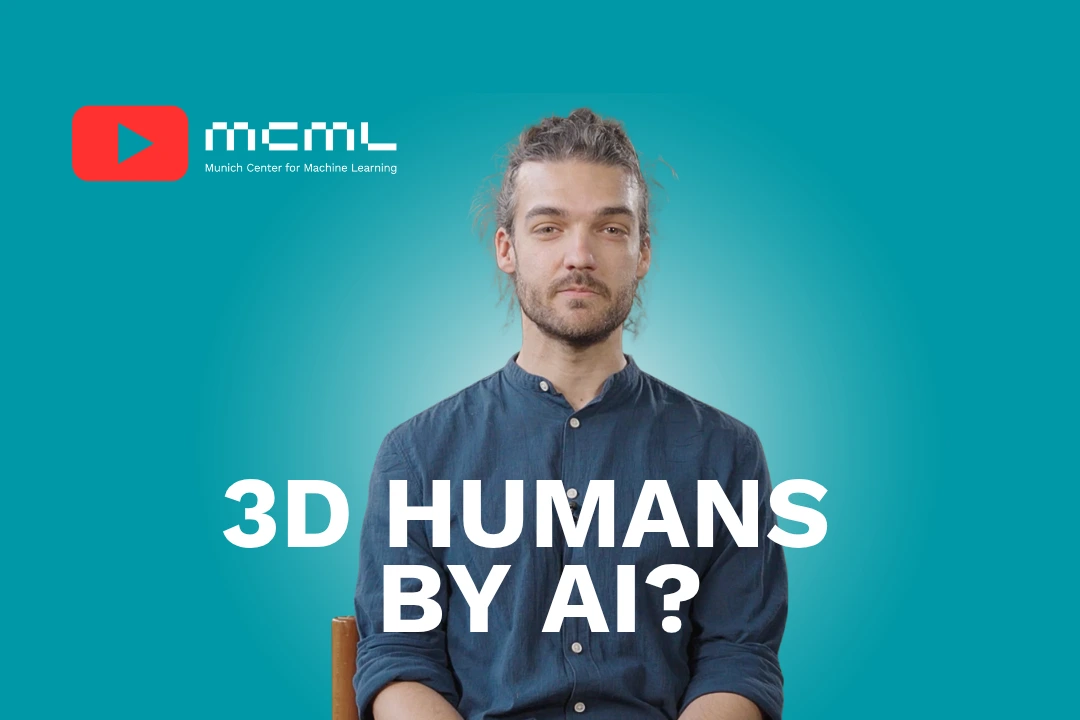
3D Machine Perception Beyond Vision - With Researcher Riccardo Marin
Research Film
Can AI understand the world in 3D the way we do? Riccardo Marin, researcher at TUM and MCML, works at the intersection of computer vision and 3D geometry to teach machines how to perceive shapes, patterns, and spatial structures. His work ranges from detecting production flaws in manufacturing to analyzing archaeological artifacts – showing how understanding shape goes far beyond simple image recognition.
Riccardo also studies the geometry of the human body, with applications in fashion, sports, surgery, and the design of prosthetics that move naturally. This research supports virtual and augmented reality, enabling trustworthy and realistic digital representations of ourselves. By giving AI a sense of space and form, his work brings machine perception closer to human experience.
This video is part of the project KI Trans, an initiative in collaboration with TüftelLab and Uta Hauck-Thum from Ludwig-Maximilians-Universität München, focused on equipping teachers with the essential skills to navigate AI in schools. The project is funded by the Bundesministerium für Forschung, Technologie und Raumfahrt as part of DATIpilot.
©MCML
Related


09.04.2026
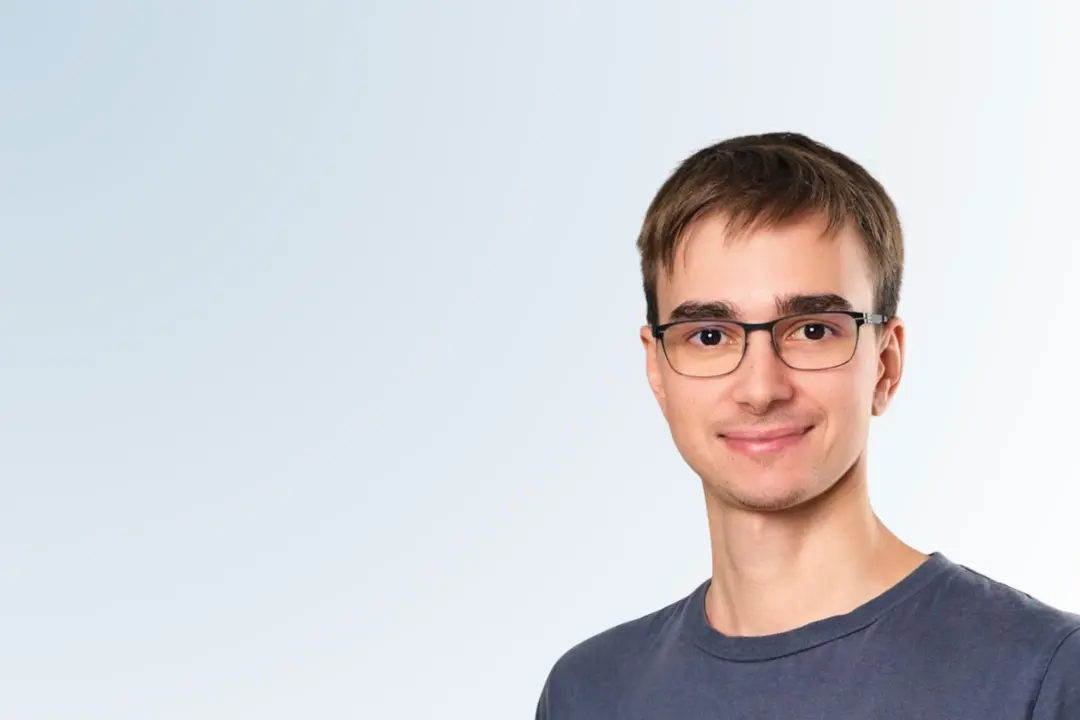
Nikita Araslanov Receives Prestigious Emmy Noether Grant
Nikita Araslanov, MCML Junior Member, awarded Emmy Noether Grant to establish an independent AI research group at TUM.