16.07.2025
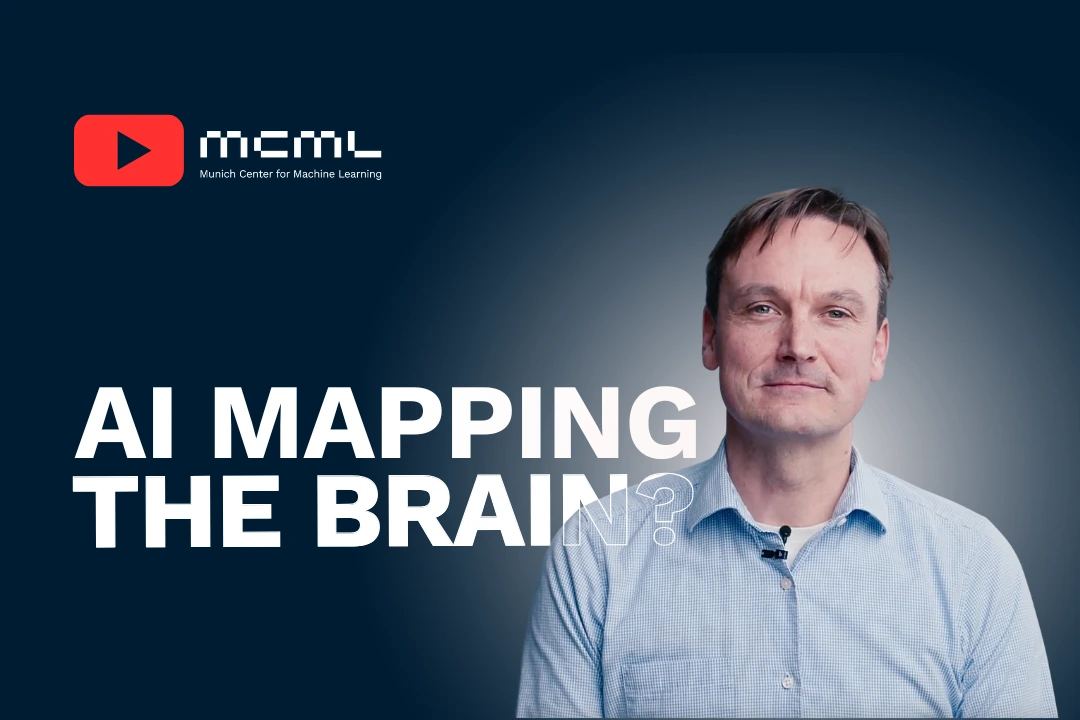
AI-Powered Cortical Mapping for Neurodegenerative Disease Diagnoses - With Christian Wachinger
Research Film
Christian Wachinger, Professor of AI in Radiology at the Technical University of Munich and PI at MCML, is developing AI systems to precisely reconstruct the brain’s cortex — an extremely thin and highly folded sheet of neural tissue — in order to measure it for diagnostic use.
«One of the challenges is that a typical cortical thickness of a person is between two to three millimeters. So you can imagine when we have to manually try to assess the thickness of the cortex, this is a very challenging task.»
Christian Wachinger
MCML PI
Cortical thickness is a key indicator in neurodegenerative conditions like dementia, but measuring it accurately is technically demanding. MRI scans have limited resolution, and the cortex’s intricate folds make manual measurement nearly impossible. To overcome this, Wachinger uses deep learning models that can reconstruct the cortex in 3D, capturing its boundaries with high precision.
Algorithms are able to identify patterns it has learned from thousands of annotated brain scans — such as the thinning of the cortex in specific areas — and search for similar features in new images. This allows it not only to make powerful diagnoses but also to provide a transparent explanation for its decision.
©MCML
The film was produced and edited by Nicole Huminski and Nikolai Huber.
Related




09.04.2026
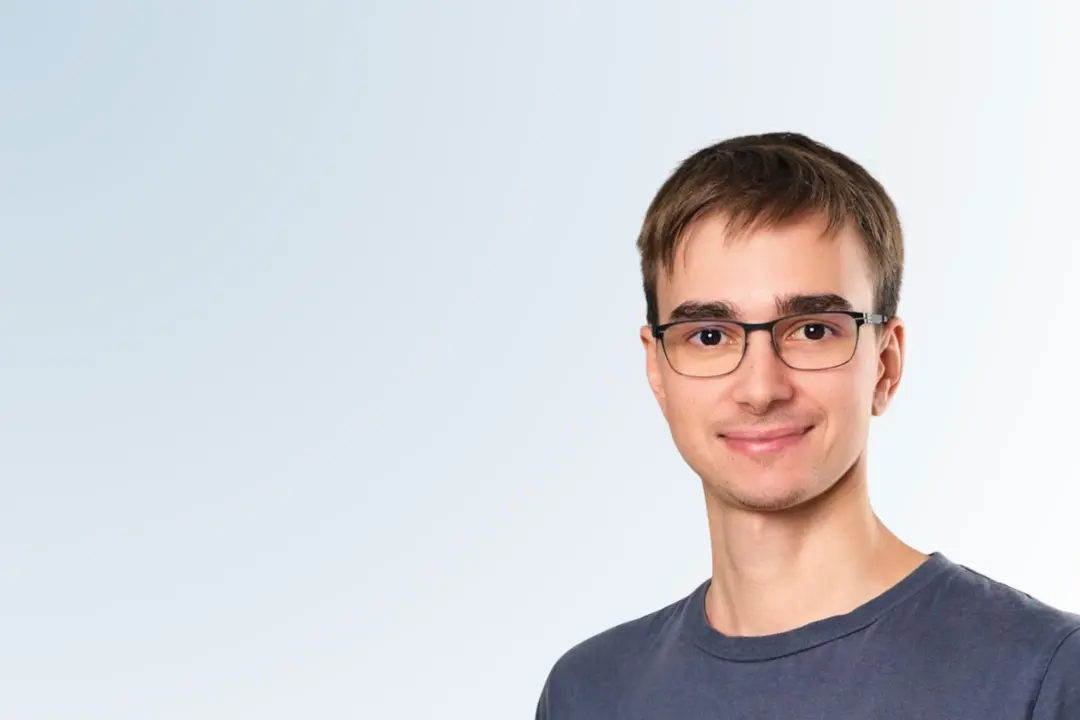
Nikita Araslanov Receives Prestigious Emmy Noether Grant
Nikita Araslanov, MCML Junior Member, awarded Emmy Noether Grant to establish an independent AI research group at TUM.