23.06.2025
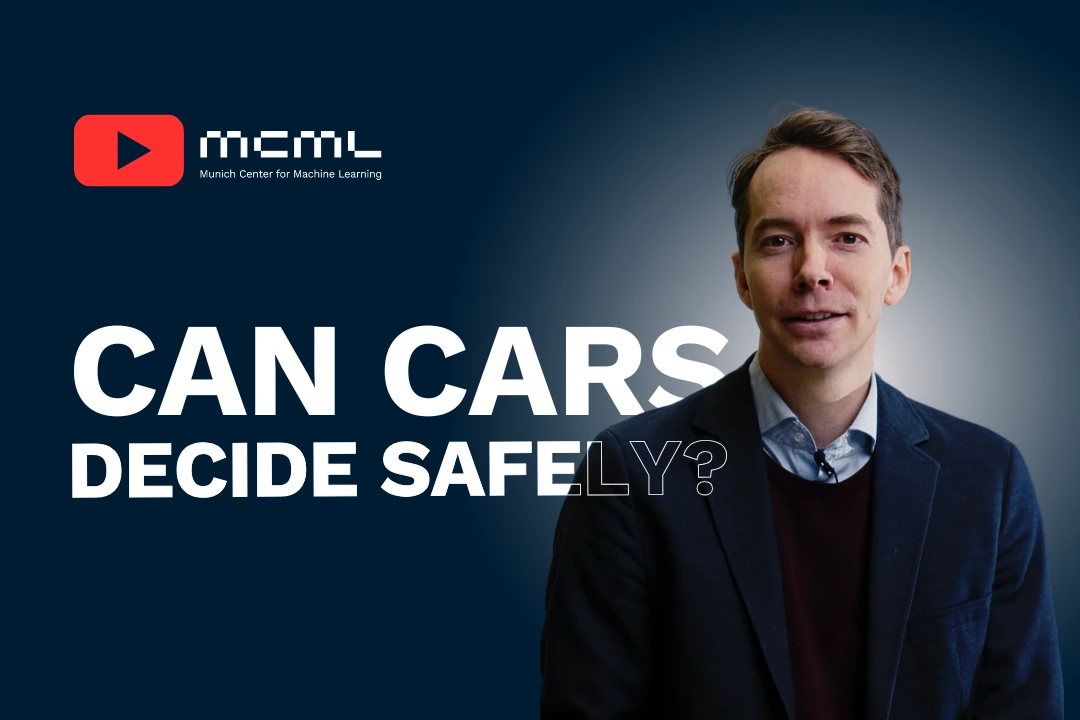
Autonomous Driving: From Infinite Possibilities to Safe Decisions— With Matthias Althoff
Research Film
How can we guarantee that autonomous vehicles always make the right decision in unpredictable traffic?
Matthias Althoff, Professor at the chair of Cyber-Physical Systems at the Technical University of Munich and MCML PI, explores the complex challenge of ensuring safety in AI-powered driving systems.
«There are infinitely many possible actions, and we check our own actions against all of these to ensure safety.»
Matthias Althoff
MCML PI
In this video, he explains why proving the correctness of an autonomous vehicle’s behavior is one of the most difficult tasks in AI and robotics — and how his team tackles this with advanced set computations, real-world testing, and rigorous verification processes.
«AI by itself doesn’t change the world but AI implemented in everyday things like vehicles, can really change our lives.»
Matthias Althoff
MCML PI
Althoff introduces EDGAR, his lab’s fully autonomous research vehicle. Using a rich array of sensors — from LiDAR to radar and even ultrasound — EDGAR maps its surroundings in great detail. Based on this data, the car generates possible motion plans and executes only those that are proven to be safe.
In this video series, discover how MCML researchers are bridging theory and practice to build trustworthy, real-world AI systems that prioritize safety, reliability, and impact.
©
The film was produced and edited by Nicole Huminski and Nikolai Huber.
Related


09.04.2026
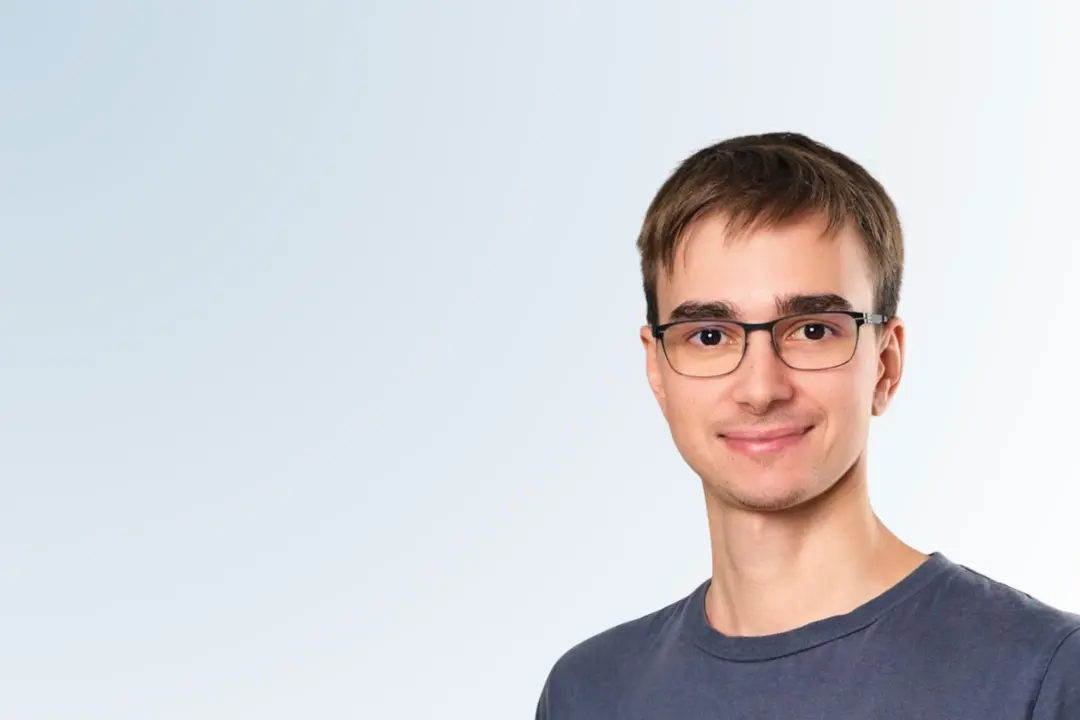
Nikita Araslanov Receives Prestigious Emmy Noether Grant
Nikita Araslanov, MCML Junior Member, awarded Emmy Noether Grant to establish an independent AI research group at TUM.