13.08.2025
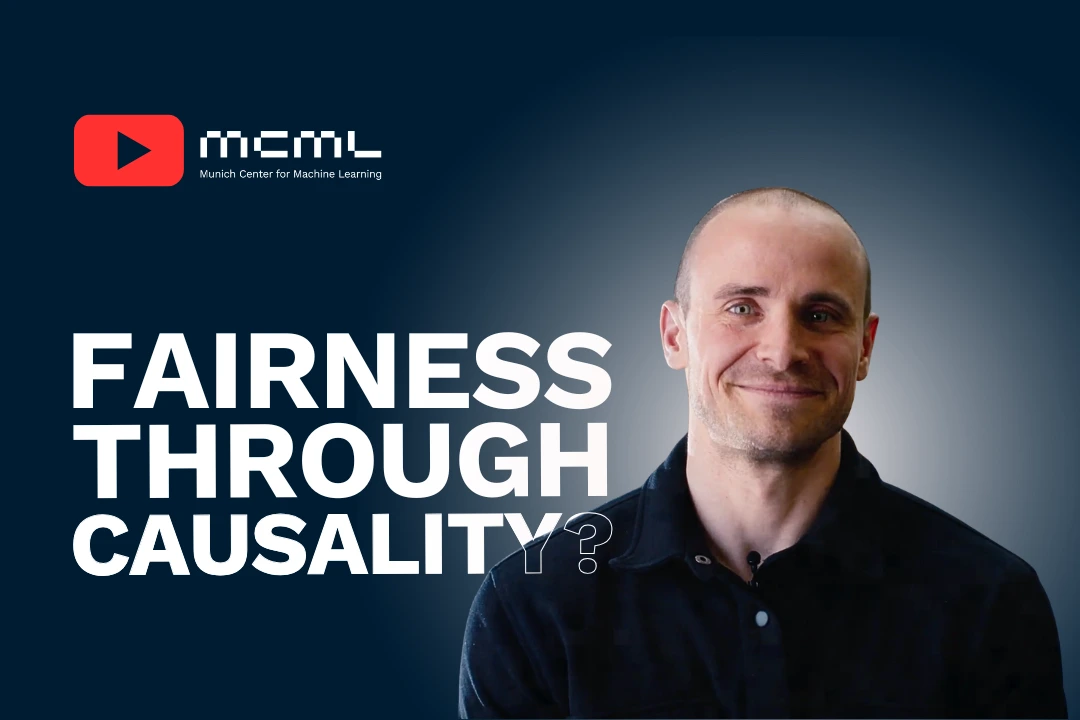
From Physics Dreams to Algorithm Discovery - With Niki Kilbertus
Research Film
As a kid, Niki Kilbertus dreamed of becoming a theoretical physicist and discovering a fundamental law of nature. But when reality proved more complex, he found a new path through computer science.
Now a professor at TUM and PI at the Helmholtz Center as well as the MCML, Kilbertus works at the intersection of AI and causal inference. His mission: build algorithms that don’t just detect patterns, but help uncover cause and effect.
In medicine, for example, data might suggest a non-invasive kidney stone treatment works better. But if it’s mostly given to patients with smaller stones, that’s correlation, not causation. To truly compare treatments, randomized trials are needed—removing hidden biases and revealing real effects.
The research of Kilbertus helps close this gap. His algorithms support more reliable scientific decisions and accelerate discovery in fields like biology, chemistry, and healthcare.
What began as a quest for physical laws has become a drive to make science itself smarter.
©MCML
The film was produced and edited by Nicole Huminski and Nikolai Huber.
Related

08.10.2026
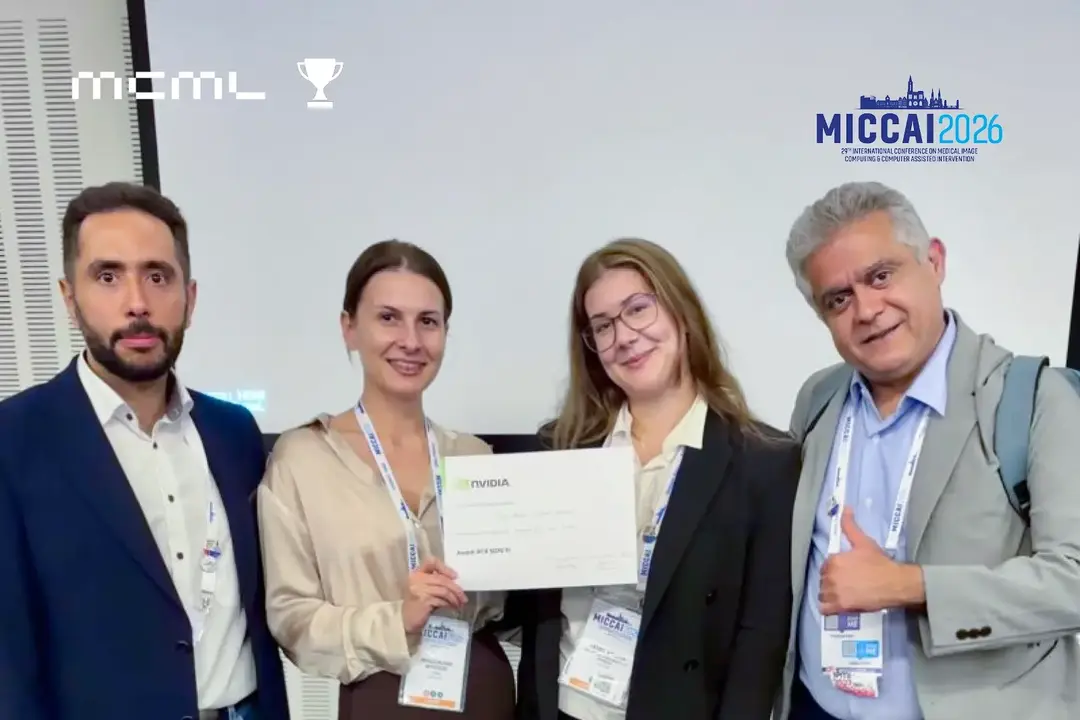
Best Paper Award at ASMUS workshop at MICCAI 2026
Ultra-Wide-NeRF, co-authored by MCML PI Nassir Navab and team, won the Best Paper Award at the ASMUS workshop at MICCAI 2026.
08.10.2026
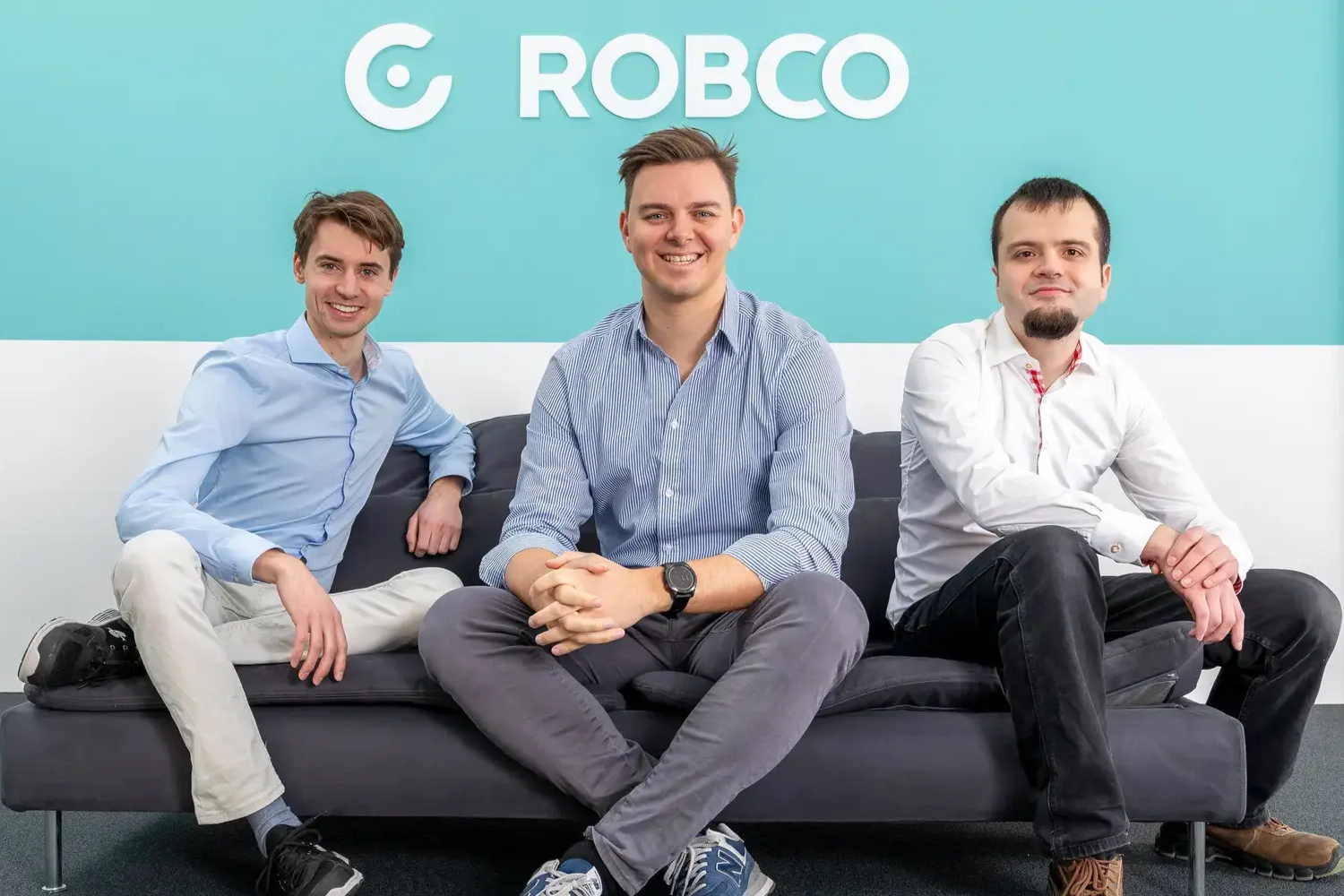
RobCo Is TUM’s 24th Unicorn
RobCo, whose founders were supported by MCML PI Matthias Althoff, has become TUM's 24th unicorn, valued at over one billion euros.