05.06.2026
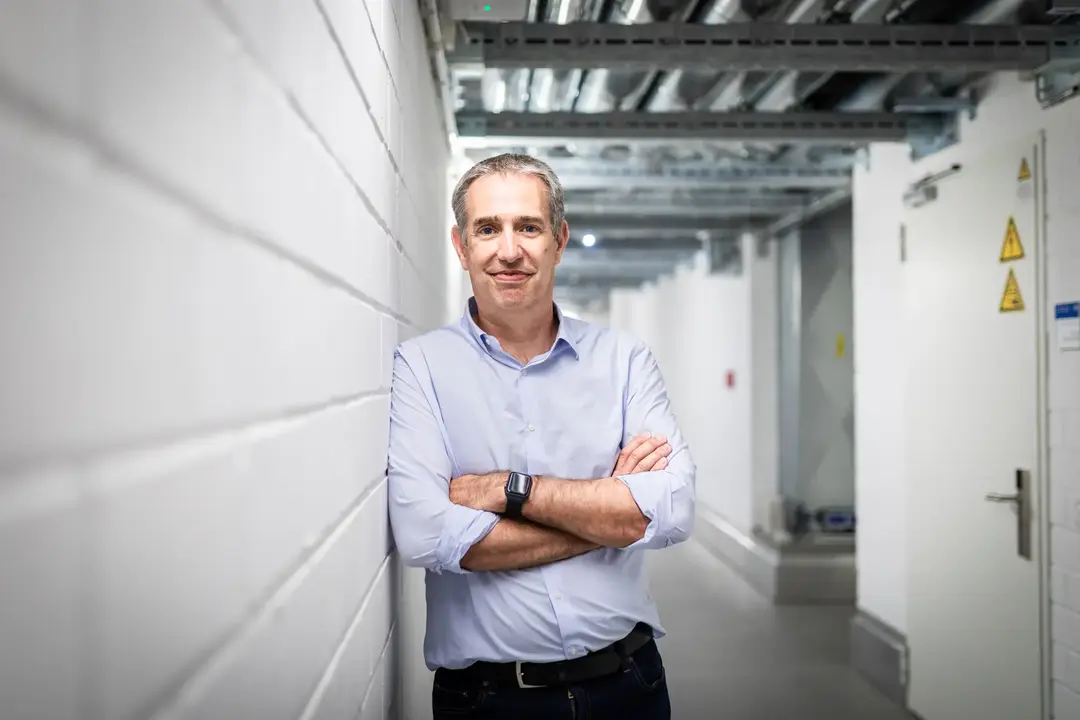
©Juli Eberle / TUM
AI in Biomedicine
New Elite Master's Program
More than a degree: Leibniz Prize winner and MCML Director Daniel Rückert talks about the potential of the new elite master’s program at the intersection of artificial intelligence and biomedicine, the future of personalized medicine, and his personal expectations for the new program.
Professor Rückert, What Personally Motivated You to Initiate This New Master’s Program?
My daily work in research and teaching played a significant role in motivating me. In recent years, I have repeatedly seen how vast the potential of AI in biomedicine is - and at the same time how challenging it can be to find exceptionally well‑trained students who combine both methodological depth in AI and a genuine understanding of biomedical questions. High‑quality master’s theses and later doctoral research require precisely this combination.
With the master’s program AI in Biomedicine, we aim to create a structured framework that integrates competencies from computer science and biomedicine from the very beginning - at a high scientific level and in close connection to current research.
At the same time, it was a personal priority for me to create an environment where highly talented and motivated students can assume responsibility early on, learn to think independently, and work on real medical challenges. For me, AI in Biomedicine is therefore not only a degree program but also an investment in the next generation of researchers who will combine robust AI methodologies with biomedical expertise and carry these skills into research, clinical practice, or industry.
Which Developments in Medicine and AI Make a Dedicated Program Like This Significant Today?
The demand for qualified experts at the interface of medicine and AI is growing rapidly. Aging societies, rising rates of chronic diseases, and increasing healthcare costs are putting pressure on health systems worldwide. At the same time, biomedical sciences are generating enormous amounts of complex data—from genomic sequences and imaging to electronic health records—that can only be meaningfully processed with modern AI methods.
Artificial intelligence is now driving major advances in diagnostics, therapy development, and personalized medicine. It helps improve efficiency and sustainability in healthcare. A specialized program such as the Elite Master AI in Biomedicine (AIBM) is therefore more important than ever: it combines solid AI expertise with biomedical knowledge and prepares students to develop innovative solutions to the pressing challenges of modern healthcare systems.
Can You Give an Example of How AI Will Transform Biomedicine in the Coming Years?
AI will, for example, help intelligently link data from a wide variety of sources – such as medical imaging, genomics, laboratory values, and other clinical parameters. This integrated perspective enables identification of connections that remain hidden within individual datasets. It allows the identification of more refined disease subtypes, more accurate predictions of disease progression, and more individualized therapy selection.
In addition, such multimodal models deepen our understanding of biological processes and support the discovery of new diagnostic markers or therapeutic targets. These developments will significantly accelerate progress in personalized medicine in the coming years.
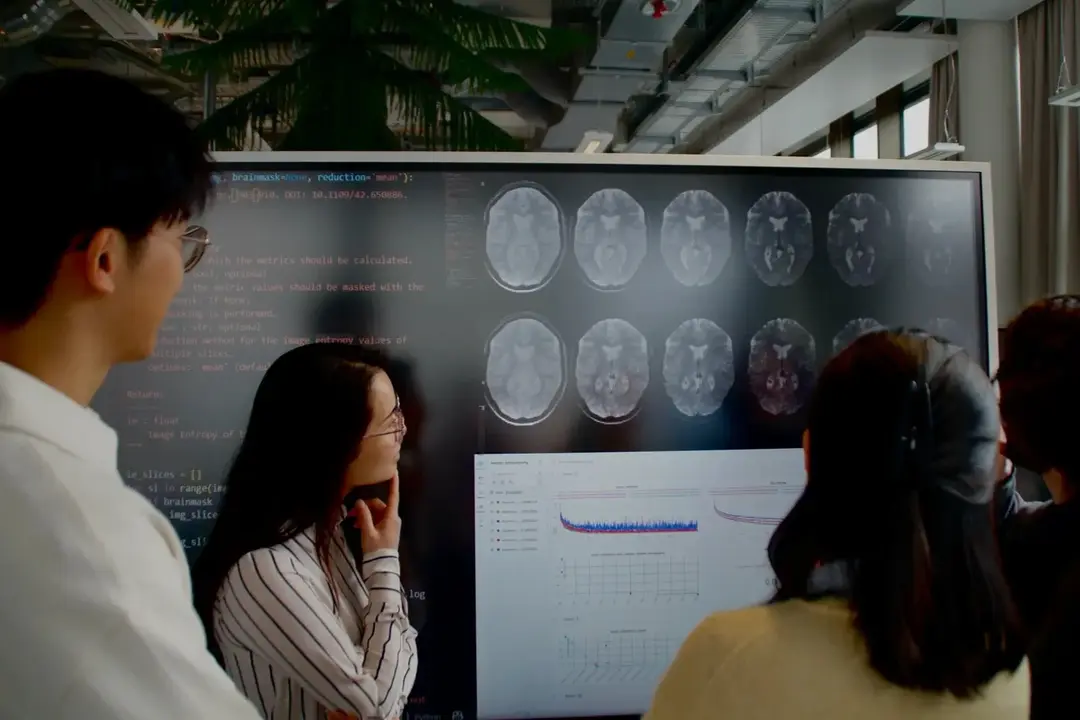
©Hannah Eichhorn
Elite Master AI in Biomedicine: Students analyse medical imaging data with state-of-the-art AI methods.
Elite Master AI in Biomedicine: Students analyse medical imaging data with state-of-the-art AI methods. Photo: Hannah Eichhorn
What Distinguishes the AI in Biomedicine Program From Programs at Other Universities?
The AI in Biomedicine program stands out primarily through its interdisciplinary design. While many programs focus only on selected applications or specializations, AIBM covers the entire lifecycle of AI systems – from algorithmic development and data management to clinical implementation. This is complemented by the program’s firm integration of ethics, social responsibility, and leadership, ensuring that students receive not only excellent technical training but also a deep understanding of the societal dimensions of AI in healthcare.
AIBM also strengthens competencies in entrepreneurship, science communication, and public engagement, preparing graduates to actively shape the future of AI in biomedicine.The close collaboration between TUM and FAU brings together two leading institutions in AI, engineering, and medicine. It provides access to outstanding research, state‑of‑the‑art infrastructure, and strong industry and clinical networks.
What Opportunities Does the Support of the Elite Network of Bavaria Provide That Would Otherwise Not Be Possible?
The support from the Elite Network of Bavaria enables opportunities that are difficult to realize in standard programs. Students benefit from very small cohorts, allowing for intensive, personalized mentoring from instructors and researchers. This enables individual supervision and early participation in ambitious research projects. In addition, the Elite Network offers access to specialized funding formats, retreats, and interdisciplinary exchange opportunities. The combination of these exclusive resources with the renowned academic environments at TUM and FAU fosters a learning and research atmosphere rarely achievable in larger, more standardized master’s programs.
“We want our graduates to make a visible impact – whether in research, clinical practice, industry, or start-ups.”
What do you personally hope to see from the first cohorts of this elite program?
AIBM offers students exceptional freedom to pursue their own ideas, and I hope they make active use of it – whether through innovative research projects, interdisciplinary collaborations, or engagement with clinical, scientific, and industrial partners. I also hope that the first cohorts build a strong community and that student‑driven initiatives help shape the program’s spirit and serve as inspiration for future generations.
When You Look Back in a Few Years, What Would Tell You That the Program Has Truly Fulfilled Its Potential?
I would see the program’s potential fulfilled if our graduates leave a visible impact - whether in research, clinical practice, industry, or start‑ups. If they develop independent solutions, take on societal responsibility, and contribute actively to integrating AI into medicine in meaningful and safe ways, that would be a clear success.
A strong, vibrant alum network would also signal that AIBM is not just a degree program but a long‑term driver of innovation in the healthcare sector.
Related
15.10.2026
When Flatter Is Not Always Better
In their ICML 2026 paper, MCML researchers show why the flattest regions found during neural network training are not always the best.

13.10.2026
Björn Schuller: What Your Voice Reveals About Your Health
MCML PI Björn Schuller explores how AI can analyze the human voice to detect signs of disease and reveal insights into our health.